The Essential Guide to Notary Public Stamps
In the world of notarization, the notary public stamp is an indispensable tool. Whether you're a seasoned notary or just starting, understanding the various types of notary stamps available can significantly impact your efficiency and professionalism. This guide will explore different types of notary public stamps, their uses, and how to choose the right one for your needs.
Types of Notary Public Stamps
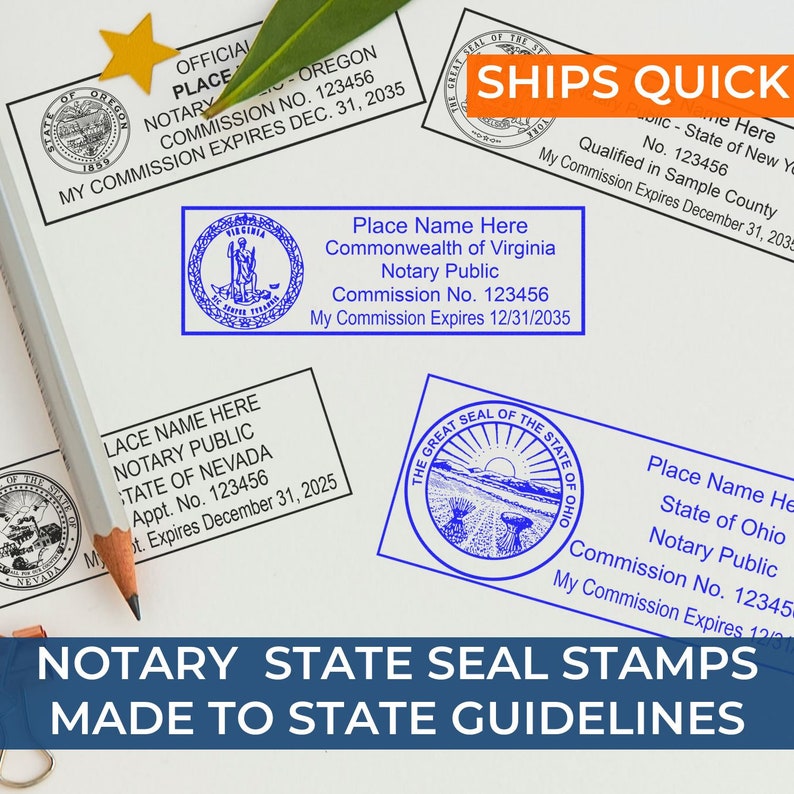
Notary Stamp The basic notary stamp is used to authenticate documents. It typically includes the notary's name, commission number, and expiration date. This stamp is a fundamental tool for any notary.
Notarial Stamp Similar to the basic notary stamp, the notarial stamp is used for the same purposes. The terms are often used interchangeably, and both serve to validate the authenticity of documents.
State Seal Notary Stamp This stamp includes the state seal and is often required by state law. It adds an extra layer of authority and authenticity to the notarized documents. Each state has specific requirements regarding the design and information included in the seal.
Self-Inking Stamp The self-inking stamp is popular for its convenience. It has an internal ink pad that automatically re-inks the stamp between uses. This type of stamp is ideal for high-volume notarization tasks as it speeds up the process and reduces the need for manual re-inking.
Pre-Inked Stamp A pre-inked stamp provides a clean and crisp impression and is known for its longevity. The ink is embedded in the stamp, making it less likely to dry out and capable of producing thousands of impressions before needing a refill.
Wood Rubber Stamp The traditional wood rubber stamp offers a classic and professional look. It requires a separate ink pad and is preferred by some notaries for its aesthetic appeal and durability. This type of stamp is often customizable and can be designed to meet specific state requirements.
Choosing the Right Notary Stamp
When selecting a notary stamp, consider the following factors:
- State Requirements: Ensure the stamp meets your state's regulations regarding size, content, and design.
- Volume of Use: For high-volume tasks, a self-inking or pre-inked stamp is more efficient.
- Impression Quality: Pre-inked stamps generally offer the highest quality impressions, which can be crucial for official documents.
- Personal Preference: Some notaries prefer the traditional look and feel of a wood rubber stamp.
Importance of Notary Stamps
Notary stamps play a crucial role in the notarization process. They provide a clear and official mark that signifies the authenticity and legitimacy of a document. This mark helps prevent fraud and ensures that the notarized documents are legally recognized.
Conclusion
Whether you choose a self-inking, pre-inked, or wood rubber notary stamp, the right tool can enhance your efficiency and professionalism. By understanding the different types of notary stamps and considering your specific needs and state requirements, you can select the perfect stamp for your notarial duties. Investing in a high-quality notary stamp is an investment in your credibility and the trust of those you serve.
https://acornsalesco.etsy.com


Comments
Post a Comment